

10 Essential Tips for Moving Abroad in 2026
Moving to a new country is one of life's most exciting adventures, but it's also a complex puzzle of visas, finances, housing, and cultural adaptation. The dream of starting fresh can quickly become overwhelming when faced with language barriers, unfamiliar bureaucratic hurdles, and the sheer volume of tasks to manage. You are not just packing boxes; you are strategically rebuilding your entire life in a foreign land, and the fear of making a critical, costly mistake can be paralyzing.
This guide is designed to address those anxieties head-on. We have compiled a comprehensive, step-by-step roadmap with specific, actionable tips for moving abroad. Forget generic advice; this is your practical playbook for navigating the entire relocation process with confidence. Our clear goal is to empower you with the essential knowledge and tools needed to tackle each stage, from pre-departure planning and securing documents to successfully settling into your new community.
We will break down everything you need to know, covering critical areas like mastering basic local phrases, navigating healthcare systems, establishing your finances, and adapting to new cultural norms. By following this checklist, you will be able to anticipate challenges, make informed decisions, and sidestep common pitfalls. This will allow you to focus less on the stress of the move and more on the incredible journey and personal growth that awaits. Let’s transform this monumental task into a manageable and rewarding experience.
1. Master Basic Local Language Phrases Before Arrival
Landing in a new country without a grasp of the local language can turn simple tasks into stressful challenges. While fluency isn't expected overnight, arming yourself with essential phrases is a critical early step. This initial linguistic foundation is your key to navigating everything from finding your apartment and ordering a meal to asking for basic directions, making your first few weeks significantly smoother.
Traditionally, this meant hours spent with phrasebooks or language apps. However, modern tools have streamlined this process, allowing you to build practical, conversational skills much faster. This approach focuses on immediate utility rather than complex grammar, ensuring you are prepared for real-world interactions from day one.
How to Implement This Tip
To accelerate your learning, concentrate on high-frequency words and scenarios you'll encounter immediately. Instead of aiming for perfect sentences, prioritize clear communication for essential needs.
- Focus on the Core 100: Start by learning the 50-100 most common phrases. These include greetings ("Hello," "Goodbye," "Thank you"), polite requests ("Can you help me?"), and emergency questions ("Where is the hospital?").
- Prioritize Practical Vocabulary: Immediately learn numbers, days of the week, and money-related terms. This is crucial for shopping, booking appointments, and understanding prices.
- Role-Play Key Scenarios: Practice conversations for situations you know you'll face, such as opening a bank account, speaking with a landlord, or ordering coffee. Rehearse these dialogues until you feel confident.
- Record and Refine: Use your phone to record yourself speaking the phrases. Compare your pronunciation to a native speaker's and adjust accordingly. This simple exercise dramatically improves your accent and clarity.
Key Insight: The goal isn't immediate fluency; it's functional confidence. Mastering a small set of vital phrases reduces anxiety and opens the door to more meaningful interactions as you settle in.
Use Technology to Your Advantage
One of the most effective modern tips for moving abroad is leveraging real-time translation technology to practice. An app like Translate AI - Live Translator on the App Store allows you to engage in simulated conversations, hear correct pronunciation, and get instant feedback. Use its speaker mode during your commute to practice hands-free, turning dead time into productive language-learning sessions. This builds muscle memory and helps you respond more naturally when you arrive.
2. Research and Navigate Local Bureaucracy and Documentation
One of the most intimidating aspects of moving abroad is facing a mountain of unfamiliar paperwork. Navigating visa requirements, tax registrations, and healthcare enrollment can be overwhelming, especially when official websites and documents are in a language you don't speak. Misinterpreting a single requirement could lead to significant delays, rejections, or legal complications that jeopardize your entire move.
Successfully managing this process requires meticulous research and clear communication with local authorities. Modern tools can bridge the language gap, allowing you to accurately understand legal jargon, fill out forms correctly, and communicate effectively with government officials. This preparation is a non-negotiable step for a smooth and legally compliant transition into your new life.
How to Implement This Tip
To demystify the bureaucratic process, create a systematic approach to document management and communication. The key is to translate and organize information before you find yourself in a stressful, time-sensitive situation.
- Create a Master Checklist: Compile a list of every required document, from residency permits to driver's license applications. Use a translation tool to write the document names in both your native language and the local language for easy reference.
- Translate Official Websites: Don't rely on auto-translated web pages, which can be inaccurate. Use a reliable app to translate key sections of government websites and screenshot the information for your records. This ensures you understand the exact requirements and deadlines.
- Prepare for Official Calls: If you need to speak with government offices, use a translation app's two-way conversation feature. This is invaluable for video calls or in-person appointments, ensuring you can ask specific questions and understand the responses in real time.
- Record and Document: Keep a digital and physical folder of all communications. Save screenshots of translated requirements, log dates of conversations, and note the names of officials you speak with. This creates a clear paper trail you can refer back to.
Key Insight: Proactive and accurate translation of bureaucratic requirements is your best defense against costly errors. Treating documentation as a primary research project, rather than an afterthought, prevents stressful last-minute problems.
Use Technology to Your Advantage
Leveraging translation technology is one of the most effective tips for moving abroad, transforming complex bureaucratic hurdles into manageable tasks. An app like Translate AI - Live Translator on the App Store allows you to instantly translate official documents with your camera, understand complex legal text, and communicate confidently during official appointments. For instance, an American moving to Germany can use it to understand the specific requirements for a Blue Card visa directly from the official German immigration portal.
3. Build a Local Support Network and Community
Moving to a new country can be isolating, especially when language barriers stand in the way of forming genuine connections. Building a local support system of friends, colleagues, and community members is one of the most vital tips for moving abroad, directly impacting your happiness and long-term integration. This network becomes your go-to for advice, companionship, and professional opportunities, transforming an unfamiliar city into a place that feels like home.

Traditionally, expats were limited to finding others who spoke their native language, often missing out on deeper cultural immersion. Today, technology can bridge this linguistic gap, enabling you to build meaningful relationships with locals from day one. This proactive approach to community-building helps combat loneliness and provides the emotional and practical foundation needed for a successful relocation.
How to Implement This Tip
To build your community, you must actively seek out opportunities for connection and be prepared to step outside your comfort zone. The key is to blend into both expat circles and local groups to create a diverse and resilient support system.
- Join Diverse Groups: Seek out both expat communities on social media and local hobby groups. For example, join an "Expats in Dubai" Facebook group while also signing up for a local art class or hiking club.
- Attend Local Events: Go to neighborhood festivals, markets, and cultural events. These are low-pressure environments to meet people who share an interest in the local culture.
- Leverage Co-working and Co-living Spaces: If you're a remote worker or digital nomad, these spaces are invaluable. A tech professional in Berlin can use a co-working space to meet industry peers from around the world.
- Connect Online First: Use apps like Meetup or local community forums to find events. Engage with people online first through translated messages to build rapport before meeting in person.
Key Insight: A strong support network is not just about having friends; it's about building a multi-layered community that provides social, emotional, and professional support, accelerating your sense of belonging.
Use Technology to Your Advantage
Don't let language barriers prevent you from making connections. Real-time translation apps can turn daunting social situations into opportunities. Use a tool like Translate AI - Live Translator on the App Store in a group setting to follow and participate in conversations confidently. For instance, an expat parent in Dubai can join a local moms' group and understand the Arabic conversation in real-time. Using speaker mode at social gatherings allows for natural, hands-free interactions, helping you build genuine friendships with locals and expats alike.
4. Secure Safe and Suitable Housing Before or Upon Arrival
Finding appropriate accommodation is one of the most critical and potentially stressful tasks when relocating. Misunderstandings with landlords or real estate agents due to language barriers can lead to unfavorable lease terms, unexpected costs, or even legal disputes. Securing suitable housing is a foundational step for a successful move, making clear communication an absolute necessity.

Traditionally, expats had to rely on hiring expensive bilingual agents or risk misinterpreting complex rental contracts. Modern tools, however, empower you to handle these interactions directly and confidently. This approach ensures you fully comprehend every detail, from deposit requirements to maintenance responsibilities, preventing costly mistakes and securing a home that truly meets your needs.
How to Implement This Tip
To navigate the foreign rental market effectively, focus on clear, documented communication. Whether you are an international student in Seoul viewing an apartment or a tech worker in Amsterdam negotiating a Dutch rental contract, precision is key.
- Clarify Lease Terms: Use a translator to meticulously review every clause in the rental agreement. Pay close attention to the duration of the lease, notice periods, and rules regarding subletting or property alterations.
- Negotiate with Precision: Clearly discuss what is included in the rent. Use translated phrases to ask about utilities, internet service, and furnishings, ensuring there are no hidden costs.
- Document Everything: Keep a record of all your conversations. Take screenshots of translated chats with landlords or agents to have a clear reference for all agreed-upon terms.
- Ask Specific Questions: During virtual or in-person tours, ask detailed questions about the property's condition, repair policies, and neighborhood safety. This is a crucial part of your due diligence.
Key Insight: The goal is not just to find a place to live, but to secure a safe and fair housing arrangement. Precise, technology-assisted communication protects your interests and prevents future disputes.
Use Technology to Your Advantage
One of the best tips for moving abroad is to use a real-time translation app to manage your housing search. An app like Translate AI - Live Translator on the App Store allows you to communicate fluently during video calls with real estate agents, understand rental contracts on the spot, and negotiate terms with landlords. Its speaker mode is perfect for hands-free, clear communication during property viewings or phone calls, ensuring every detail is understood by both parties before you sign any documents.
5. Understand Healthcare Systems and Register for Medical Services
Navigating a new country's healthcare system can be one of the most daunting aspects of moving abroad. Systems vary dramatically in structure, coverage, and access, and what you’re used to back home may not apply. Understanding these differences beforehand is crucial for ensuring your health and well-being from the moment you arrive.
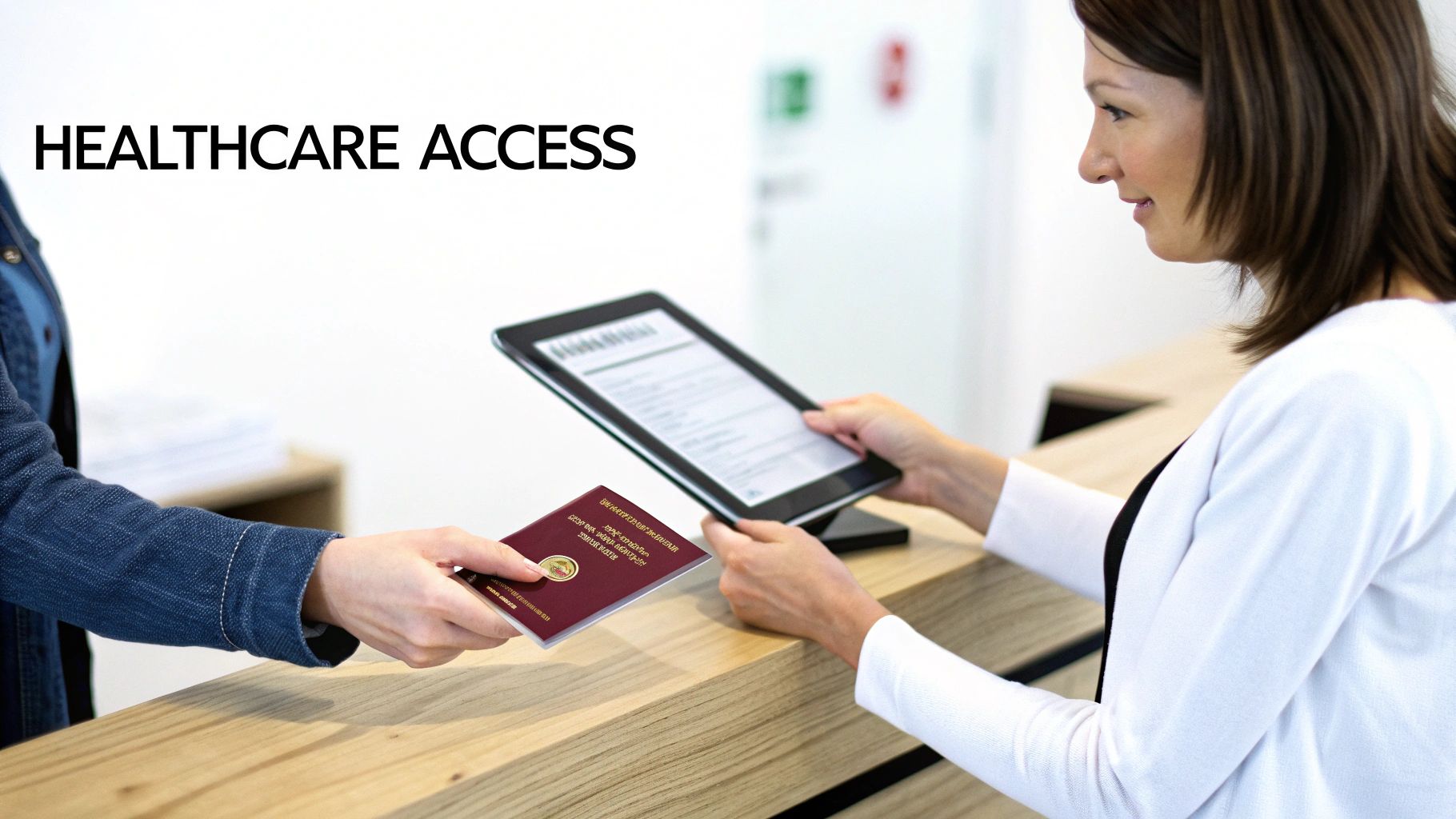
From mandatory public insurance in Germany to Japan's complex registration process or Mexico's blend of public and private options, the requirements can be confusing. Language barriers compound this challenge, making it difficult to understand insurance policies, communicate symptoms to a doctor, or fill out critical registration forms. Proper preparation and the right tools can demystify this process and provide peace of mind.
How to Implement This Tip
Proactively researching and preparing for your new healthcare environment is non-negotiable. Start this process well before your move to avoid gaps in coverage or stressful last-minute scrambles to find a doctor.
- Research System Types: Determine if your destination has a public, private, or hybrid healthcare system. Understand the registration requirements for expatriates, such as mandatory contributions or proof of private insurance.
- Compile a Medical Dossier: Create a digital and physical folder with your complete medical history, vaccination records, and a list of any chronic conditions or allergies. Have these documents translated if necessary.
- Identify Local Providers: Before you move, research local clinics, hospitals, and pharmacies in your new neighborhood. Look for facilities with English-speaking staff or those recommended by other expats.
- Learn Key Medical Vocabulary: Familiarize yourself with basic terms for body parts, common symptoms (like "fever," "pain," or "dizzy"), and questions like "Where is the pharmacy?"
Key Insight: Healthcare is not something to figure out after you arrive. Securing your medical coverage and understanding how to access care should be a top priority in your pre-move checklist.
Use Technology to Your Advantage
Language barriers should never stand in the way of your health. One of the most effective tips for moving abroad is using translation technology to navigate medical interactions confidently. An app like Translate AI - Live Translator on the App Store can help you understand registration documents, describe your symptoms accurately during an appointment, and comprehend a doctor's instructions. Keep it on your phone for immediate assistance during any healthcare-related task.
6. Establish Banking and Financial Systems
Setting up your financial life in a new country is a foundational step, yet it’s often filled with complex jargon and confusing procedures. Misunderstanding banking terms can lead to unexpected fees, account restrictions, or tax complications. Establishing a local bank account is essential for everything from receiving a salary and paying rent to building a local credit history, making it one of the most important tips for moving abroad.
Traditionally, expats navigated these crucial conversations with professional interpreters or by relying on banks with English-speaking staff, which aren't always available. This often resulted in slow processes and potential miscommunications about critical financial details. Modern tools now bridge this gap, allowing you to handle these sensitive discussions with clarity and confidence, ensuring you fully comprehend every document you sign and every policy that affects your money.
How to Implement This Tip
To manage your finances effectively, approach banking with a clear strategy and the right questions. Your goal is to understand not just how to open an account, but how to operate it according to local regulations and your personal needs.
- Clarify Documentation in Advance: Before visiting a bank, use a translation tool to create a clear list of required documents, such as your visa, proof of address, and tax identification number. Having everything prepared prevents delays.
- Question Fees and Account Structures: During your appointment, ask specific questions about monthly maintenance fees, minimum balance requirements, international transfer costs, and overdraft policies. For example, remote workers in Portugal should clarify the terms of Non-Habitual Resident (NHR) banking benefits.
- Understand Tax Obligations: Ask how the bank handles tax reporting and what information they require for your Tax Identification Number (TIN). This is crucial for expats in places like Singapore managing multi-currency finances.
- Confirm Currency Exchange Procedures: Inquire about the bank's currency exchange rates and associated fees. Understand how their system differs from what you're used to, especially for sending or receiving money internationally.
Key Insight: Financial clarity is non-negotiable. Ensuring you understand every term, fee, and obligation from the start prevents costly mistakes and provides a stable foundation for your new life.
Use Technology to Your Advantage
One of the most powerful modern tips for moving abroad involves using real-time translation to communicate accurately with financial professionals. An app like Translate AI - Live Translator on the App Store allows you to ask detailed questions and understand nuanced answers during bank appointments. You can use its conversation mode to have a fluid dialogue with a bank teller or financial advisor, ensuring nothing is lost in translation. This is especially useful for understanding complex topics like investment options or mortgage requirements.
7. Plan Transportation and Navigate Mobility Systems
Arriving in a new country means mastering its mobility systems, from public transit to local driving laws. This is essential for everything from your daily commute to weekend exploration. Without understanding how to navigate, you risk confusion, delays, and even safety issues, especially when signs, announcements, and regulations are in an unfamiliar language.
Successfully integrating into a new city hinges on your ability to move around independently. For expats, this means learning complex train routes in Tokyo or understanding London's ticketing zones. For digital nomads, it might involve figuring out Barcelona's bike-sharing system. These are practical, daily hurdles where a language barrier can be a significant obstacle.
How to Implement This Tip
To quickly gain mobility independence, focus on understanding the specific systems you'll use most often. Don't try to learn every route at once; instead, master your primary commute and then expand your knowledge from there. This approach builds confidence and reduces the initial overwhelm.
- Study Key Routes Beforehand: Use online maps and transit authority websites to plan your most frequent trips, such as from home to work or the grocery store.
- Identify Local Transit Norms: Learn about ticketing options like monthly passes, pay-as-you-go cards (like Japan's Suica or London's Oyster), and any unwritten rules of transit etiquette.
- Learn Driving-Specific Vocabulary: If you plan to drive, focus on terms related to road signs, parking regulations, and traffic laws. Misunderstanding a "no parking" sign can lead to expensive fines.
- Observe and Ask: Watch how locals buy tickets, board trains, and pay fares. Don't be afraid to ask for help, as transportation staff are usually willing to assist newcomers.
Key Insight: Independent mobility isn't just about convenience; it's a cornerstone of feeling at home. Mastering local transit is a powerful step toward integrating into your new environment and unlocking the freedom to explore.
Use Technology to Your Advantage
One of the most effective modern tips for moving abroad is using translation technology to demystify foreign transportation systems. A real-time translator like Translate AI - Live Translator on the App Store can interpret transit maps, announcements, and ticketing instructions on the spot. Use its camera feature to translate signs or its speaker mode to ask for directions, turning confusing journeys into manageable tasks. This is especially useful for communicating with traffic police or vehicle registration officials.
8. Secure Employment and Understand Workplace Culture
Securing a job before you move provides financial stability and a clear purpose upon arrival. However, navigating a foreign job market involves more than just submitting a resume. It requires understanding distinct workplace cultures, professional etiquette, and communication styles, where language barriers can create significant hurdles during interviews, negotiations, and daily interactions.
Successfully landing a role abroad, whether as a tech professional in Berlin or a finance expert in Singapore, hinges on your ability to clearly communicate your value and comprehend expectations. This process, from decoding job descriptions to integrating into a new team, is a critical step in a successful international move. A proactive approach to bridging the communication gap is essential.
How to Implement This Tip
Focus on using language tools to navigate every stage of the employment process, from the initial search to your first day on the job. The goal is to present yourself professionally and accurately understand the role and company culture.
- Research and Apply with Clarity: Use translation tools to thoroughly read company websites and job descriptions in their original language. This ensures you grasp the nuances of the role and can tailor your application materials effectively.
- Prepare for Interviews: Practice common interview questions and articulate your answers in the local language. Rehearse responses to questions about salary expectations, responsibilities, and your professional background to build confidence.
- Verify Employment Contracts: Once you receive an offer, request the contract in a language you fully understand or use a reliable tool to translate it. This is crucial for verifying terms, benefits, and legal obligations before signing.
- Learn Workplace Terminology: Before you start, familiarize yourself with industry-specific jargon and professional titles used in your new country. This preparation helps you adapt more quickly to the professional environment.
Key Insight: Professional success abroad is built on clear communication. Proactively addressing language barriers during the job search and onboarding process demonstrates resourcefulness and sets you up for a smoother career transition.
Use Technology to Your Advantage
Among the most effective tips for moving abroad is using a real-time translator for professional interactions. During a video or phone interview, an app like Translate AI - Live Translator on the App Store can clarify complex questions from hiring managers, ensuring you understand exactly what is being asked. You can also use it to practice professional conversations, helping you learn the key phrases for meetings, presentations, and team collaborations. For deeper insights into navigating professional environments, explore these strategies for cross-cultural business communication.
9. Adapt to Cultural Norms and Social Etiquette
Successfully moving abroad involves more than just logistics and language; it requires a deep understanding of unwritten social rules and cultural expectations. What is considered polite in your home country might be viewed as disrespectful elsewhere. Misinterpreting norms around personal space, directness in communication, or social customs can lead to unintentional friction and a sense of isolation.
Proactively learning and adapting to this new social landscape is one of the most crucial tips for moving abroad. It demonstrates respect and helps you build genuine connections much faster. Instead of learning through awkward trial and error, you can use modern tools to gain insight directly from locals, accelerating your cultural integration and helping you feel more at home.
How to Implement This Tip
To navigate your new social environment with confidence, focus on observation, curiosity, and asking thoughtful questions. This shows you are making a genuine effort to understand and respect the local way of life.
- Observe and Inquire: Pay close attention to how people interact in public spaces, business meetings, and social gatherings. Notice greeting customs, body language, and levels of formality.
- Adapt to Communication Styles: Be aware of different approaches to communication. For example, American professionals moving to Germany will need to adapt to a more direct and formal business style.
- Respect Local Hierarchies: Understand how seniority, age, and social status are viewed. In many cultures, like India, showing deference to elders and superiors is a fundamental aspect of social etiquette.
- Be Mindful of Sensitive Topics: Learn which subjects, such as politics, religion, or personal income, are considered taboo for casual conversation. Asking respectful questions about what is appropriate can prevent discomfort.
Key Insight: Cultural adaptation isn't about changing who you are; it's about expanding your awareness and showing respect for the society you've joined. A curious and humble mindset is your greatest asset.
Use Technology to Your Advantage
Don't wait for misunderstandings to happen. Use technology to proactively ask locals for guidance on cultural norms. A translation app like Translate AI - Live Translator on the App Store allows you to have candid conversations about social etiquette, helping you get clear, direct answers to your questions. You can ask a colleague about appropriate business meeting conduct or a neighbor about local customs for visiting someone's home. Use its speaker mode in a group setting to better understand the nuances of humor, sarcasm, and indirect communication styles that are often lost in translation. This is an effective way to bridge cultural gaps and build stronger relationships from the start.
10. Maintain Mental Health and Manage Relocation Challenges
Moving abroad is an exhilarating adventure, but it often comes with significant psychological challenges. The stress of adapting to a new culture, navigating bureaucracy, and building a social life from scratch can take a toll. Homesickness and feelings of isolation are common, and language barriers can make it difficult to access the support systems you need, such as counseling or community groups.
Prioritizing your mental well-being is not a luxury; it’s a crucial component of a successful relocation. Addressing these challenges proactively ensures you have the resilience to overcome obstacles and fully embrace your new life. Modern tools can bridge communication gaps, connecting you to vital resources that support your psychological health from the moment you arrive.
How to Implement This Tip
To effectively manage your mental health, focus on building a robust support network and ensuring you can access professional help if needed. Communication is key, both with new connections in your host country and loved ones back home.
- Research Resources in Advance: Before you move, identify local English-speaking therapists or telehealth services. Use translation tools to read reviews and understand what services are available.
- Join Expat and Local Groups: Find online forums or local meetups for expatriates and locals. These communities offer invaluable advice and social connection, reducing feelings of isolation.
- Schedule Regular Check-ins: Maintain connections with friends and family back home. Consistent communication provides a stable emotional anchor during a period of intense change.
- Communicate Self-Care Needs: Learn to express your needs clearly, whether it’s asking for space, seeking help from a friend, or explaining your feelings to a therapist.
Key Insight: Your mental health is the foundation of your entire expatriate experience. Actively building a support system and removing communication barriers to professional help are some of the most important tips for moving abroad successfully.
Use Technology to Your Advantage
Don't let a language barrier prevent you from seeking help. A real-time translation app can be a lifeline, enabling you to access mental health services and build meaningful social connections. Use an app like Translate AI - Live Translator on the App Store to communicate during therapy sessions with a local counselor, participate fully in multilingual support groups, or simply navigate daily interactions that reduce stress. Its speaker mode is perfect for facilitating clear, hands-free conversations during telehealth appointments or support calls.
Moving Abroad: 10 Essential Tips Comparison
| Item | 🔄 Implementation complexity | ⚡ Resource requirements | ⭐ Expected outcomes | 💡 Ideal use cases | 📊 Key advantages |
|---|---|---|---|---|---|
| Master Basic Local Language Phrases Before Arrival | Low–Medium — quick to start, requires regular practice | Minimal — app, short study time, native practice sessions | Moderate — basic communication, increased confidence and safety | Short-term stays, immediate arrival needs, everyday transactions | Faster integration; shows respect; independent navigation |
| Research and Navigate Local Bureaucracy and Documentation | High — complex, country-specific procedures | Medium–High — documents, official translations sometimes required, app for real-time clarification | High — reduces legal risk, accurate applications, fewer delays | Visa/residency, tax registration, healthcare enrollment | Prevents legal complications; saves on professional translators |
| Build a Local Support Network and Community | Medium — time and effort to find compatible groups | Low–Medium — events, social platforms, translation in group settings | High — reduced isolation, stronger social and professional ties | Long-term relocations, networking, wellbeing support | Accelerates friendships and job leads; improves mental health |
| Secure Safe and Suitable Housing Before or Upon Arrival | Medium–High — negotiation and contract understanding needed | Medium — listings, video tours, translated lease review, deposits | High — clear lease terms, fewer disputes, secure housing | Families, students, anyone needing housing stability | Prevents rental disputes; ensures legal clarity and safety |
| Understand Healthcare Systems and Register for Medical Services | High — complex systems and medical terminology | Medium — insurance docs, provider communication, translated records | High — timely access to care, accurate treatment and coverage | Individuals with health needs, families, chronic conditions | Ensures emergency access; prevents medication and insurance errors |
| Establish Banking and Financial Systems | Medium–High — strict documentation and regulatory steps | Medium — bank visits, tax IDs, translated financial documents | High — compliant accounts, efficient transfers, financial security | Remote workers, long-term residents, anyone managing finances abroad | Prevents costly fees/misunderstandings; builds local credit history |
| Plan Transportation and Navigate Mobility Systems | Medium — learning routes, rules, and ticketing systems | Low–Medium — transit apps, maps, occasional official interactions | Moderate–High — independent mobility, safer travel, cost efficiency | Urban commuters, drivers, frequent travelers | Better safety and route efficiency; access to job/social areas |
| Secure Employment and Understand Workplace Culture | High — language and cultural adaptation required | Medium — job search tools, interview prep, translated contracts | High — improved hiring outcomes and workplace integration | Professionals seeking jobs, career transitions abroad | Stronger interview performance; clearer contracts; faster integration |
| Adapt to Cultural Norms and Social Etiquette | Medium — ongoing observation and subtle learning | Low — conversations, local guidance, translation for clarification | High — fewer social misunderstandings, smoother relationships | Social and business interactions, formal events | Prevents offense; builds respectful relationships and trust |
| Maintain Mental Health and Manage Relocation Challenges | Medium — ongoing effort; may need professional support | Medium — counseling, support groups, telehealth with translation | High — better adjustment, reduced isolation, crisis support | High-stress relocations, those prone to homesickness | Early intervention; access to multilingual mental health resources |
Your Adventure Awaits: Move Abroad with Confidence
Embarking on a move abroad is one of life’s most profound and rewarding journeys. It is a path filled with unparalleled opportunities for growth, discovery, and connection. As we have explored throughout this guide, the key to transforming this monumental task from a source of stress into a successful adventure lies in methodical preparation and a proactive mindset. The extensive tips for moving abroad detailed here are not just a checklist; they are a strategic framework designed to empower you at every stage of your relocation.
By now, you understand that a successful international move is built on several foundational pillars. It begins long before you pack your bags, with diligent research into bureaucracy and a commitment to learning basic local phrases. It continues with the critical tasks of securing housing, establishing your financial footing, and navigating a new healthcare system. Each of these steps, from understanding transportation networks to adapting to workplace culture, is a crucial piece of the puzzle.
From Blueprint to Reality: Key Takeaways for Your Move
Your journey will be unique, but the principles for success are universal. Let's distill the most critical takeaways to carry with you:
- Proactive Planning is Non-Negotiable: The difference between a smooth transition and a chaotic one often comes down to early and thorough planning. Start your visa research months in advance, create detailed financial budgets, and map out your first few weeks in the new country with precision. This foresight prevents last-minute crises and frees up your mental energy to focus on adaptation.
- Connection is Your Lifeline: Do not underestimate the power of a human connection. Building a support network, whether through expat groups, local clubs, or neighborhood events, is essential for your emotional well-being. This community will be your anchor, offering practical advice and a sense of belonging when you need it most.
- Embrace Imperfection and Flexibility: No amount of planning can account for every variable. You will encounter unexpected challenges, bureaucratic delays, and moments of cultural misunderstanding. The ability to adapt, maintain a sense of humor, and view these hurdles as learning experiences is perhaps the most valuable skill you can possess.
- Prioritize Your Well-being: Moving abroad is as much a mental and emotional challenge as it is a logistical one. Actively managing your mental health, acknowledging the stresses of relocation, and seeking support are signs of strength. A healthy mind is the foundation upon which you will build your new life.
Your Actionable Next Steps
Feeling inspired but overwhelmed? Start small. Choose just one area from this guide to focus on this week. Is it opening a separate savings account for your move? Or perhaps spending 15 minutes a day practicing a new language? This journey is a marathon, not a sprint. Breaking it down into manageable, actionable tasks is the most effective strategy.
Ultimately, mastering these tips for moving abroad is about more than just logistics. It is about taking control of your narrative and setting the stage for a thriving, enriching life in a new corner of the world. You are not just changing your address; you are expanding your perspective, building resilience, and creating a life defined by courage and curiosity. Your global adventure has a solid blueprint for success. Now, it is time to start building.
Navigate your new world with confidence and break down language barriers instantly. Download Translate AI to translate conversations, text, and signs in real-time, making every interaction smoother from day one. Visit the Translate AI website to learn more and equip yourself with this essential tool for any expat.